

therapy dog training

Therapy Dog Training in Kansas City
Therapy dog training is designed for dogs who are naturally calm, social, and steady, and for owners who want to share that dog in meaningful community settings. Therapy dogs provide comfort and emotional support in places like hospitals, schools, libraries, senior living communities, and nonprofit programs throughout Kansas City.
This training is not task-based work, does not provide disability access rights, and is not the same as service dog training. Therapy dog training focuses on temperament, manners, confidence, and reliable behavior in public environments where distractions, unfamiliar people, and unpredictable situations are normal
Start With a Therapy Dog Evaluation
Every therapy dog journey begins with a professional evaluation. This first step helps determine whether your dog is a good candidate and what level of training is appropriate. We assess temperament, obedience foundations, social comfort, recovery from stress, and overall suitability for therapy work.
From there, you receive clear guidance on next steps, timelines, and realistic expectations. This ensures the process stays ethical, appropriate for the dog, and aligned with the standards required by therapy organizations.

Services Offered

What to Expect From Therapy Dog Training
Therapy dog training prepares both dogs and handlers for real-world visits, not just an evaluation. Training focuses on calm, reliable behavior as well as the handler’s ability to guide interactions, manage space, and advocate for their dog in public settings where distractions and unpredictability are part of the environment.
Dogs learn polite greetings, leash communication, impulse control, and dependable obedience while gradually gaining confidence around new environments, sounds, equipment, and people. Depending on the dog’s skills and therapy goals, training may include a mix of structured programs, private coaching, and small group work to support long-term success.
Long-Term Results That Matter
Therapy dog training is designed to create behavior that holds up over time, not just during a test or a short window of performance. The goal is a dog who can show up consistently, recover quickly from stress, and remain steady across different environments, people, and visit lengths. This level of reliability protects both the dog and the people they interact with, which is critical for organizations, facilities, and volunteer programs.
- Calm, polite greetings with adults and children
- Comfortable handling by unfamiliar people
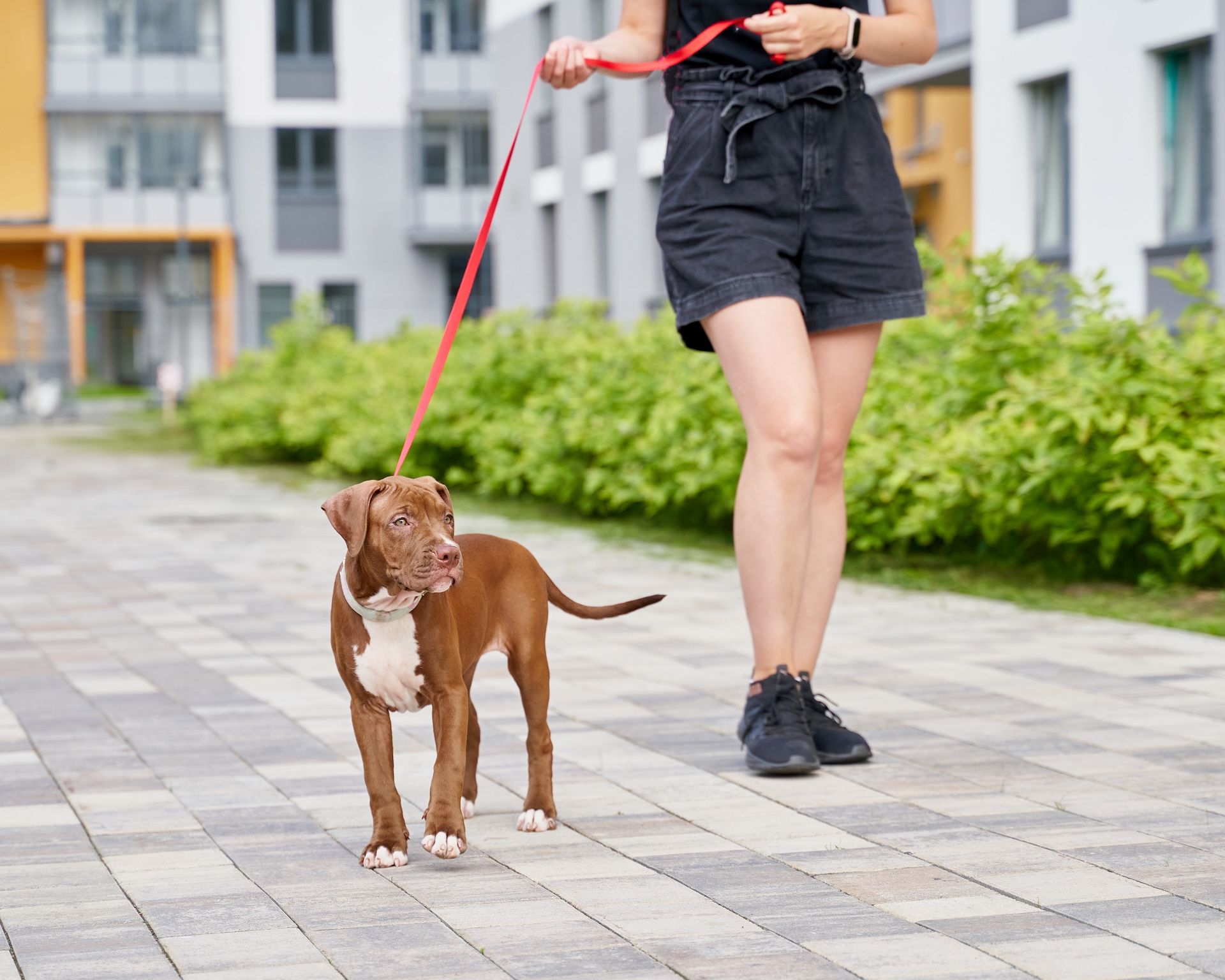
- Loose leash walking in busy public environments
- Ability to settle quietly for extended visits
- Confidence around medical equipment, mobility aids, and noise
- Clear communication between dog and handler
Well-trained therapy dogs greet people calmly, accept gentle handling from unfamiliar individuals, and move comfortably on leash in busy environments. They can settle during longer visits, stay confident around equipment and noise, and remain connected to their handler, supporting safer visits, better interactions, and a longer, more reliable therapy dog partnership.
Why choose sit now stay
Structured, Professional Training Systems
Our therapy dog training follows a clear, repeatable progression built on communication, consistency, and real-world application. Dogs learn how to make good choices in public settings, and handlers learn how to support those choices with clarity and confidence.
Focus on Temperament and Dog Welfare
We prioritize the dog’s emotional wellbeing at every stage of training. Therapy work must be optional for the dog, and we are honest when a dog is better suited for a different role, activity, or lifestyle path.
Real-World Preparation Beyond Testing
Training focuses on actual visit scenarios rather than test checklists alone. Dogs are prepared for unpredictable environments, extended interactions, and the responsibility that comes with representing an organization or community group.
Professional Facility and Experienced Trainers
Training is supported by our professional facility in Lenexa, which allows for controlled distractions, structured environments, and consistent coaching that supports long-term success for both dogs and handlers.
Is Therapy Dog Training the Right Fit?
Therapy dog training is best for dogs who enjoy interacting with people, recover quickly from stress, and remain neutral in busy environments. It is also best for owners who are committed to responsible handling, ongoing training, and advocating for their dog during visits.
If you are unsure whether your dog is a good candidate, an evaluation provides clear answers without pressure or obligation.

FAQs
What is the difference between a therapy dog and a service dog?
A therapy dog provides comfort and emotional support to others and does not have public access rights. A service dog is trained to perform specific tasks for one individual with a disability and has legal access protections.
Can any breed become a therapy dog?
Yes. Breed matters far less than temperament, behavior, and comfort with people. Many successful therapy dogs are mixed breeds.
How old should my dog be to start therapy dog training?
Most dogs should be at least one year old, emotionally mature, and have a solid obedience foundation before pursuing therapy work.
Does therapy dog training include certification?
Training prepares dogs and handlers for evaluations required by therapy organizations. Certification itself is completed through third-party therapy dog organizations.
How long does therapy dog training take?
Timelines vary based on the dog’s foundation, confidence, and experience. Some teams are ready within a few months, while others benefit from a longer progression.
Check Out Our Dog Training Blog


Start Your Therapy Dog Journey
Therapy dog training is about building a calm, dependable team that can support others while keeping your dog comfortable, confident, and safe. If this feels like the right path, the best place to start is a clear, professional evaluation that looks at both readiness and fit.